What Elite Engineering Teams Do Differently in the Age of AI
- Gregor Ojstersek from Engineering Leadership <gregorojstersek@substack.com>
- Hidden Recipient <hidden@emailshot.io>

Hey, Gregor here 👋 This is a paid edition of the Engineering Leadership newsletter. Every week, I share 2 articles → One paid edition and one free edition, with a goal to make you a great engineering leader! Here are some of the recent popular paid articles you might have missed: What Elite Engineering Teams Do Differently in the Age of AIInsights from engineering leaders from OpenAI, Anthropic, Shutterstock, and Weave.
This newsletter is sponsored by G2i. The bar for “good engineer” moved, your hiring process didn’t. A year ago, using AI for coding meant using 1 AI agent at a time. Now it means orchestrating 3 or 5 at the same time, with the focus on the right code quality as well. If your tech interview process still tests for pure syntax, you’re screening for a job that doesn’t exist anymore.
See how G2i evaluates real engineering judgment: Thanks to G2i for sponsoring this newsletter. Let’s get back to today’s thought! IntroThroughout this year, I had the pleasure of talking with many different people and teams about how everyone works and what makes them successful. I’ve visited many companies in San Francisco and had countless conversations with engineers and engineering leaders from companies around the world.
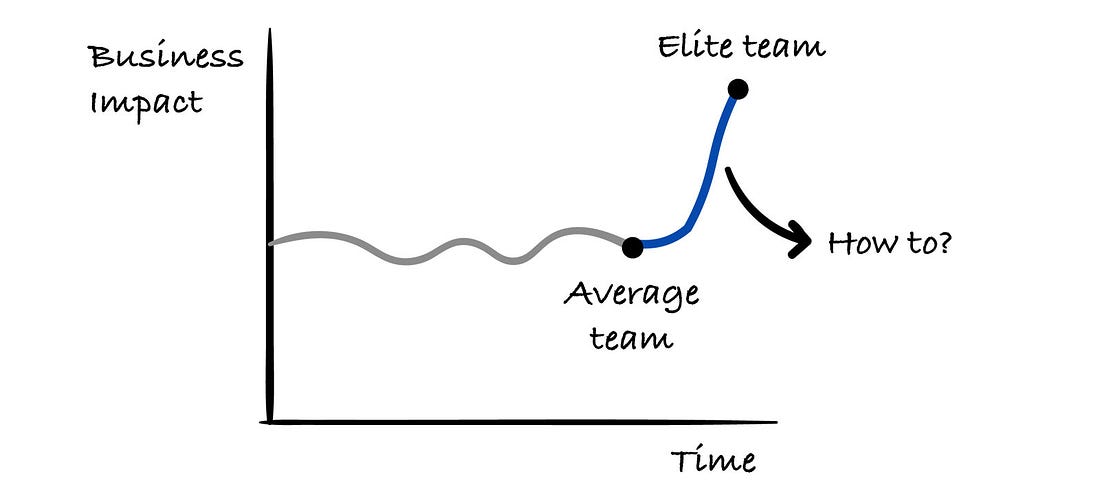
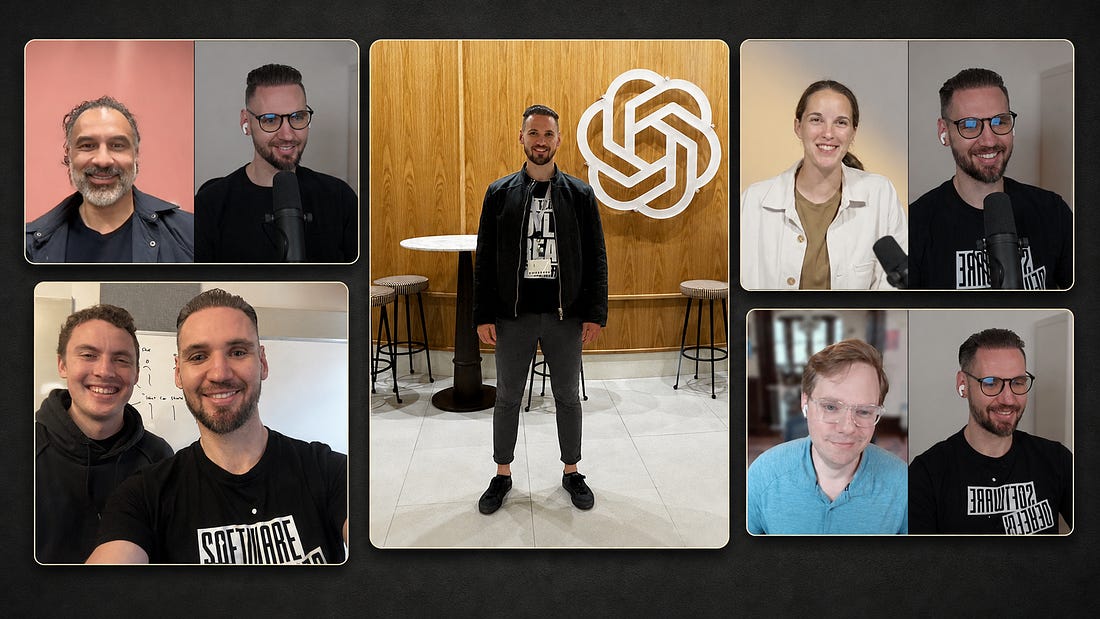
In today’s article, I am sharing insights, particularly about what differentiates elite engineering teams from the average ones. The insights shared in this article are from:
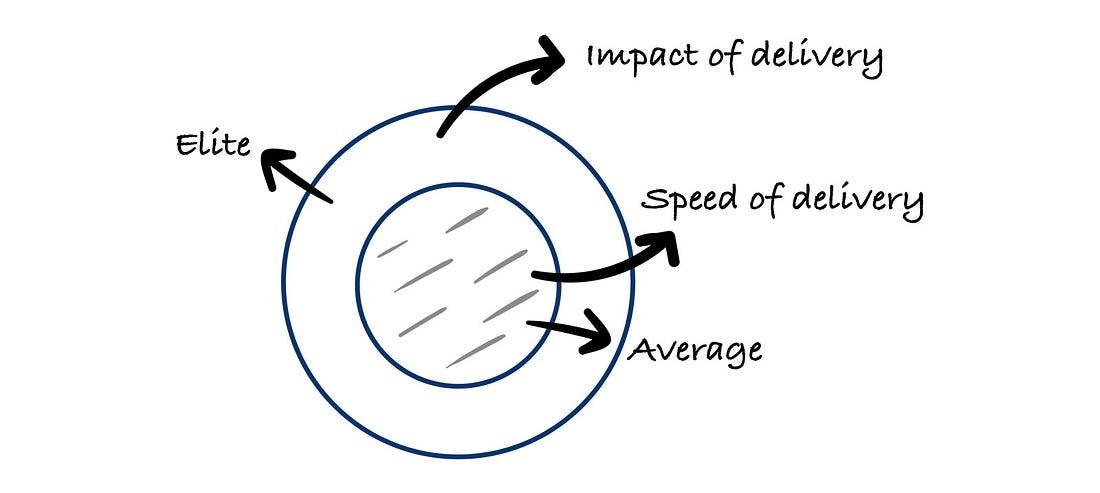
The question I asked them was: “What separates elite engineering teams from the average ones?” Their answers are shared in this article. This is an article for paid subscribers, and here is the full index: - Elite engineering teams focus on the “outer loop” Let’s start! Elite engineering teams focus on the “outer loop”Sulman Choudhry, Head of Engineering, ChatGPT, OpenAI, described the difference between an average team and an elite team using the idea of the inner loop and the outer loop of software development. The inner loop refers to shipping or writing code faster. But the problematic part is that more code is not always better. Many average teams are already good at this, they build quickly and produce a lot of code. However, the real difference appears in the outer loop.
The outer loop is about getting real user feedback, learning from it, and quickly iterating to improve the product. Average teams often run into bottlenecks here. Elite teams optimize both loops. They not only write code quickly but also build systems that help them test ideas, gather user signals, and iterate faster toward real outcomes. And the example Sulman has shared:
So, to sum up the insights shared from Sulman:
What matters most is impact, not the amount of code written. Clarity on the north star and good metrics in place in order to measure successVenkat Venkataramani, VP of Applied Infrastructure, OpenAI, mentioned that for a shorter time period of the work of specific teams, it’s easier to see whether the team is doing well or not, because there are clear deliverables and well-defined metrics attached to it. It’s a lot harder to know if the project takes a long time to finish. This is an important signal for infrastructure teams to break down projects into smaller, more manageable pieces, because that’s how you can show your progress a lot more clearly. And the 2 specific high-signals of elite teams Venkat shared are:
And then he also shared the following:
At Anthropic, elite teams are more ambitious than average teams...Subscribe to Engineering Leadership to unlock the rest.Become a paying subscriber of Engineering Leadership to get access to this post and other subscriber-only content. A subscription gets you:
|





Similar newsletters
There are other similar shared emails that you might be interested in: