Designing Trust into Waymo

Designing Trust into WaymoHow early design choices helped make self-driving technology feel understandable, approachable, and human
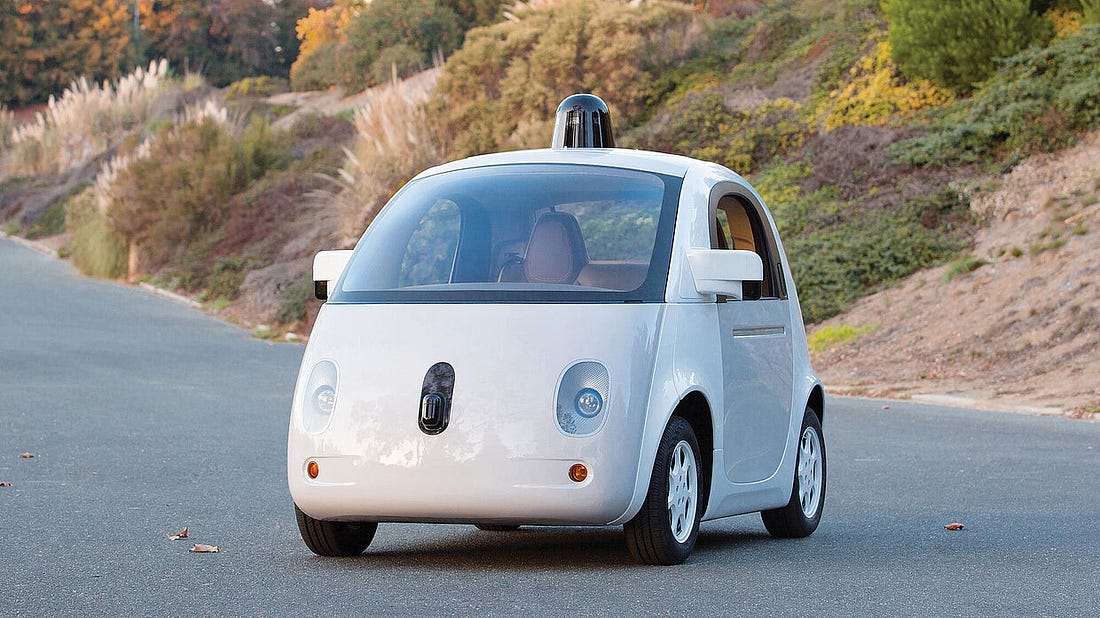
Where it startedWhen YooJung Ahn joined Google X’s Self-driving Car project, the team had powerful pieces of the technology like perception, mapping, and sensing. What was missing was a shared vision for how all of the technology should take shape in physical form — a vehicle people could understand, encounter, and eventually trust. YooJung’s role was to help translate the team’s technical ambitions into a physical, human-facing platform they could test and learn from in the real world. At the time, there were only a handful of hardware engineers on the project. YooJung asked each of them to sketch what they imagined when they thought of a “self-driving car.” The safety engineer drew a giant mattress to keep people safe. The LiDAR engineer drew a cone, so the vehicle wouldn’t have blind spots. Others referenced images of futuristic vehicles from sci-fi movies. While all of these directions were plausible, they didn’t point toward a shared vision. So YooJung asked a more fundamental question: Why are we building a self-driving car? The engineers on the team deeply believed technology could make the world better. When YooJung posed the question, the team aligned around a clear purpose: self-driving vehicles had the potential to make roads safer, help reduce crashes, and expand access to mobility. The team also believed these vehicles should be accessible and affordable. Like Google Search, they should be something anyone could use. This clarity helped shape the project’s design principles: Simple, Honest, Approachable, and Delightful. Designing for trustThe first goal wasn’t to design a vehicle for mass production. It was to build a physical prototype the team could use to test features and observe how people would interact with and react to self-driving cars in the real world. Working closely with engineers, YooJung designed the first prototype vehicle, Firefly, to feel approachable and unintimidating. The team modeled hundreds of variations of the vehicle’s form, running elements like windshield height, shape, and angle through multiple safety simulations. The final geometry was optimized to reduce injury in the event of a collision. The team explored many color options before settling on warm white. It felt highly visible and safe, neutral across cultures, and aligned with the friendly presence the team wanted the vehicle to project.
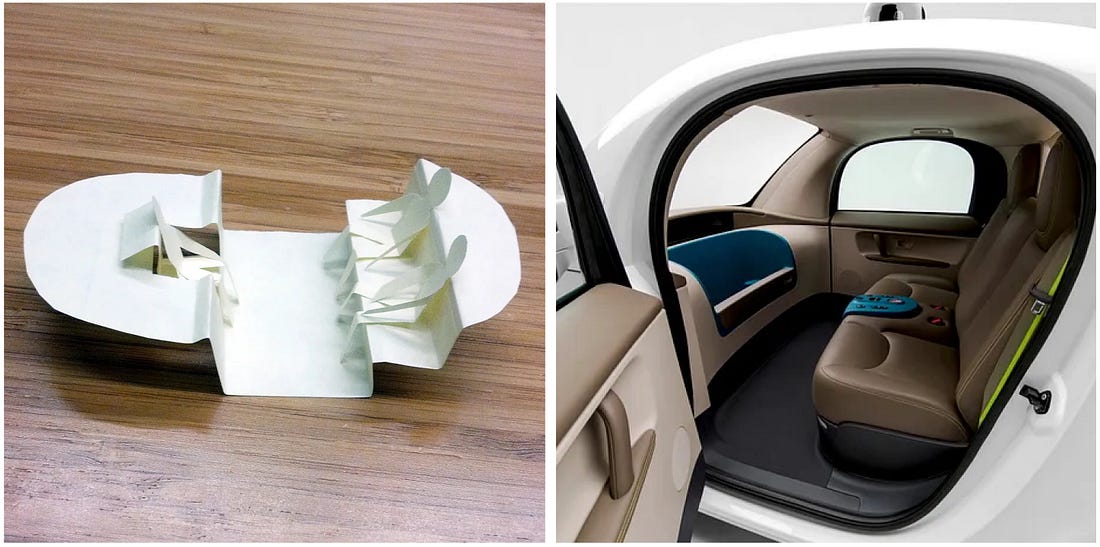
Designing the interior required rethinking nearly every assumption about cars. For more than a century, car interiors had been organized around the driver — the steering wheel, pedals, dashboard, and instrument controls. Firefly had none of those things. So the team had to answer a question nobody had asked before: What does the inside of a car look like when nobody’s driving? Instead of designing around a missing driver, YooJung and the team started from a clean slate and designed the interior around the people the vehicle was actually carrying. The design emerged through countless prototypes and hours spent riding in the vehicles, answering questions like:
One early prototype included a rear-facing seat to encourage conversation between passengers. The idea was eventually scrapped after the team discovered people preferred facing forward to avoid motion sickness.
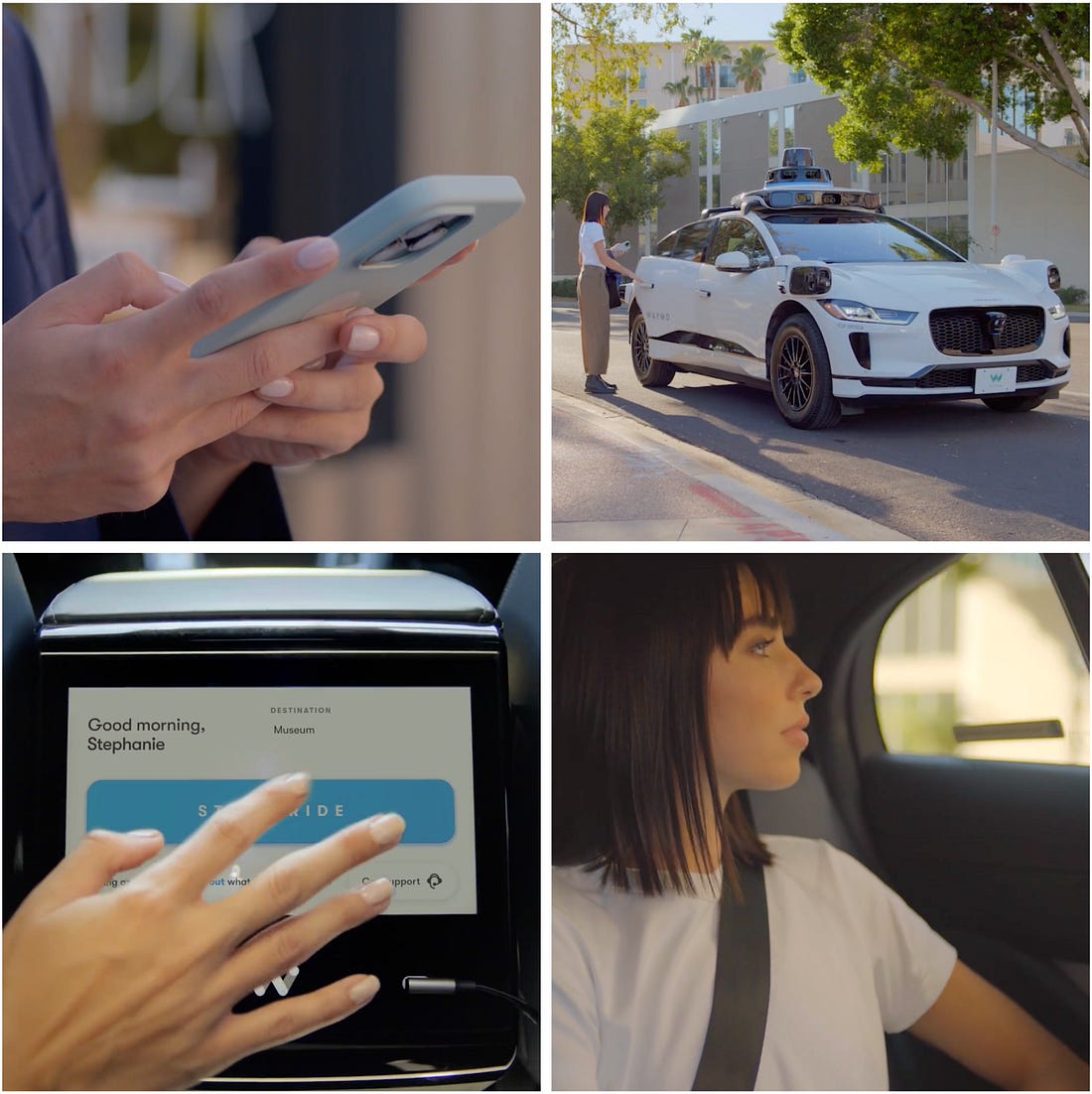
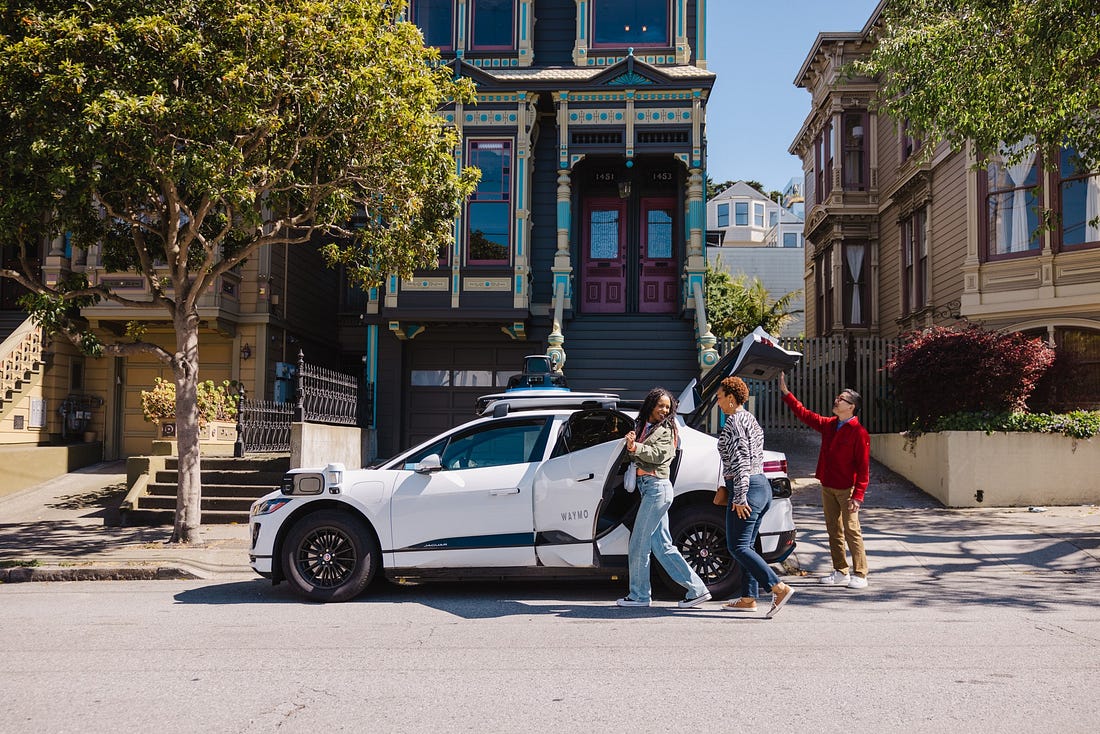
Making autonomy feel humanAt the time, most people viewed fully autonomous vehicles as scary and distant science fiction. But as Firefly vehicles drove through the streets of Mountain View and Austin, people encountered these small, friendly cars travelling naturally through everyday neighborhoods. The Firefly prototypes made the technology feel real. People could begin to see self-driving cars not only as a distant future, but as something they could encounter, understand, and eventually trust. As the project evolved toward a publicly available service, YooJung started thinking about trust beyond the vehicle itself. She created a spreadsheet documenting every touchpoint a person might have with Waymo — from hailing the vehicle through an app, to watching it pull up, unlocking the door, riding inside it, getting out, or simply seeing one drive down their street or on a local news segment. For each moment, she mapped what people needed to understand and how the experience should make them feel.
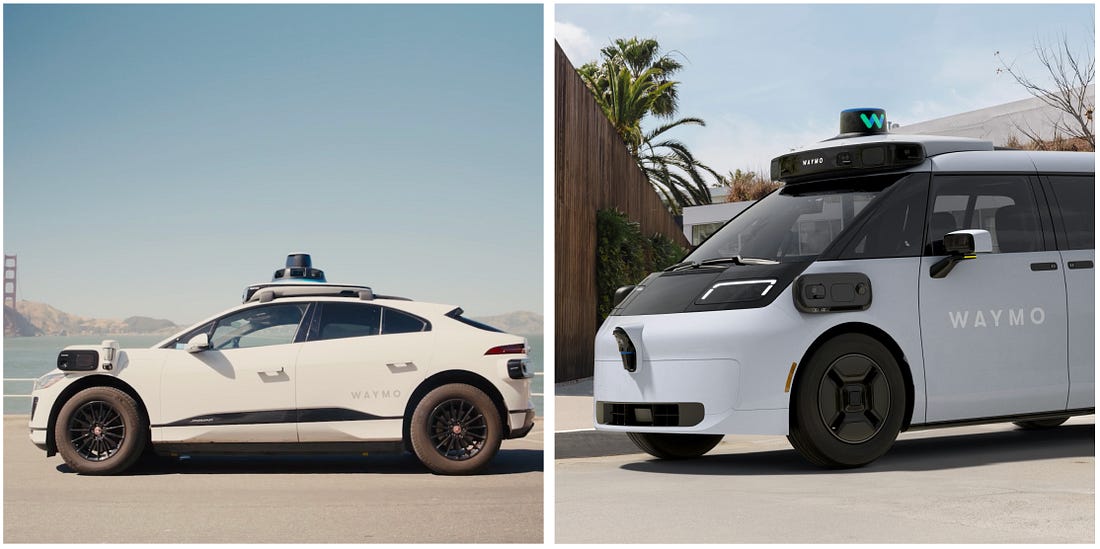
Closing the gapThere was often a gap between what YooJung hoped people would experience and what the technology could actually support. Closing that gap required constant iteration between the design, hardware, software, and safety teams. The smallest details often shaped both safety and perception. The angle of a sensor, the shape of nearby bodywork, or the finish of a surface could affect glare, heat, durability, and what the vehicle could see. Small physical changes could improve one field of view while introducing new tradeoffs somewhere else. The vehicle evolved through constant collaboration across all the teams working toward the same goal: helping the car understand the world more reliably while also helping people feel comfortable around it. YooJung continued to lead design work across multiple generations of Waymo vehicles, from early prototypes to the Jaguar I-PACE vehicles used in Waymo’s public service to newer platforms like Waymo Ojai, developed with Zeekr and now being introduced on the road. As Waymo’s technology has continued to evolve into newer platforms, the questions that shaped the earliest work remain just as important.
Today, at Samsung, YooJung is working on products at the intersection of AI, robotics, and human-centered experience design. The context is different from early Waymo, but many of the questions feel familiar — and in the age of AI, even more urgent. How do people learn to trust unfamiliar technology? How do you make something technically advanced feel understandable, safe, and useful? How do you design technology that improves people’s lives without asking people to adapt themselves around it? For YooJung, design begins with understanding the technology and the business, but it has to stay anchored in people. People need more than technical breakthroughs. They need safety, privacy, confidentiality, and trust. They need to understand what a technology is doing, why it matters, and how it will fit into their lives. Technology exists for people, not the other way around. Good design is what keeps that relationship honest. It turns complexity into clarity, capability into confidence, and the future into something people can actually welcome.
For more details from YooJung on how the team designed trust into Waymo, check out this video:  You're currently a free subscriber to Elizabeth Laraki. For the full experience, upgrade your subscription.
|





Similar newsletters
There are other similar shared emails that you might be interested in: